
Mastering the BIM Coordination Process: Your Key to Project Success
Ever felt like a game of architectural Jenga was being played on your construction site? You know, where adding one piece threatens to bring the whole thing tumbling down? That chaotic feeling, the endless clashes, the reams of redlines? Yeah, I've been there. It’s enough to make even the most seasoned project manager want to pull their hair out.
But what if I told you there’s a way to tame that chaos, to bring order to the design and construction frenzy? Enter the BIM coordination process. It’s not just a buzzword; it’s the secret sauce that separates successful, efficient projects from those that are mired in costly delays and frustrating rework.
At The BIM Blueprint, we’re all about demystifying these powerful workflows. Today, we’re diving deep into what the BIM coordination process really means, why it’s an absolute game-changer, and how you can implement it to make your projects run smoother than a well-oiled machine.
What Exactly Is BIM Coordination?
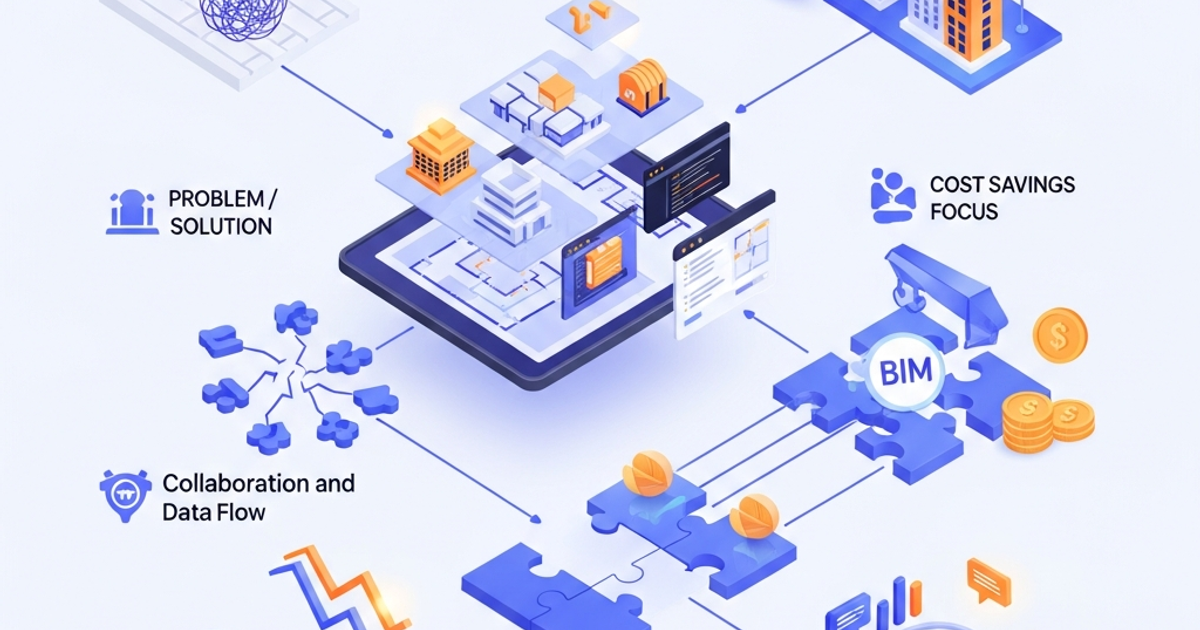
Think of BIM (Building Information Modeling) as creating a smart, digital replica of your building before a single shovel hits the dirt. It’s not just a 3D model; it’s a rich database packed with information about every element – from the structural beams to the HVAC ducts and electrical conduits.
Now, coordination in BIM takes this intelligent model and brings all the different disciplines together. Imagine all your architects, structural engineers, MEP (mechanical, electrical, and plumbing) engineers, and even specialty contractors working from one unified model. Instead of separate 2D drawings that might conflict, they’re all looking at the same, integrated 3D environment.
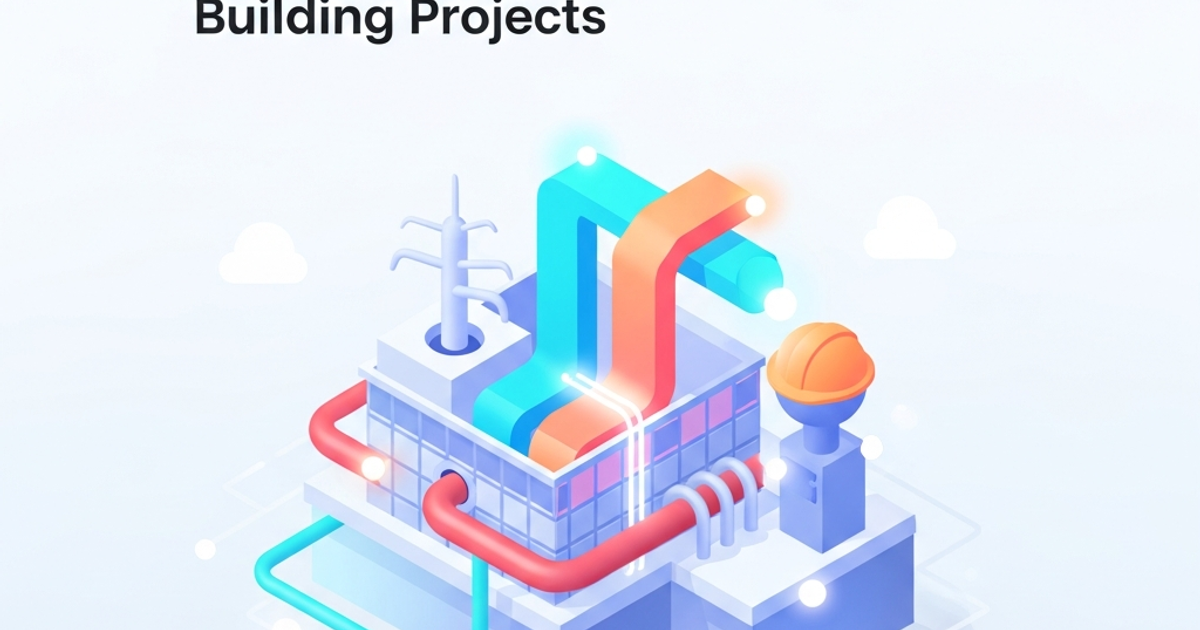
This is where the magic happens. Software tools can then analyze this combined model to detect clashes – those pesky instances where, for example, a ventilation shaft is trying to occupy the same space as a primary structural beam. Detecting these clashes digitally during the design phase is infinitely cheaper and easier than discovering them on site, requiring costly rework and potentially delaying your schedule.
It’s about proactive problem-solving. Instead of reactive firefighting on site, the BIM coordination process allows teams to identify, discuss, and resolve potential issues collaboratively, long before they become expensive headaches.
I remember working on a hospital project where the initial design had the main plumbing risers running right through a critical electrical switchgear room. In a traditional 2D workflow, this might have slipped through the cracks until framing began. With BIM coordination, the clash was identified in a weekly coordination meeting, and the engineers quickly rerouted the pipes in the digital model. That saved us weeks of potential delays and a hefty chunk of change.
You Might Also Like
- Mastering BIM Data: Your Guide to Seamless Managementin Advanced BIM Workflows
- Slash Project Costs: The Power of Reducing Rework with BIMin Advanced BIM Workflows
- MEP Coordination: The Secret Sauce of Efficient Building Projectsin Advanced BIM Workflows
The Pillars of a Successful BIM Coordination Process
So, how do you build a robust coordination process? It’s not just about having the software; it's about the people, the process, and the technology working in harmony. Here are the key ingredients:
-
The Right Technology Stack: You'll need BIM authoring tools (like Revit, ArchiCAD), clash detection software (Navisworks, Solibri), and a common data environment (CDE) for seamless information sharing. A CDE acts as a central hub where all project models and data are stored and managed, ensuring everyone is working with the latest information.
-
Clear Roles and Responsibilities: Who is responsible for generating the models? Who leads the coordination meetings? Who resolves the clashes? Defining these roles upfront prevents confusion and ensures accountability.
-
Defined Workflow and Protocols: How often will models be updated and federated (combined)? What are the criteria for a clash being considered 'resolved'? Establishing clear rules of engagement is crucial. This includes setting up standards for model origin, units, and coordinate systems to ensure models align correctly when federated.
-
Regular, Effective Coordination Meetings: These aren't just status updates. These are working sessions where the federated model is reviewed, clashes are analyzed, and solutions are discussed and assigned. A skilled facilitator can keep these meetings focused and productive. We often start our meetings by reviewing the most critical clashes from the previous week before moving on to new issues.
-
Collaboration and Communication: This is perhaps the most vital element. BIM coordination thrives on open communication. When team members feel comfortable raising concerns and working together to find solutions, the process becomes truly powerful. It requires a shift from an adversarial approach to a collaborative partnership.
Benefits That Go Beyond Clash Detection
While preventing costly clashes is a massive win, the advantages of a well-executed BIM coordination process extend much further:
- Improved Accuracy and Reduced Rework: Fewer errors on-site mean less time and money spent fixing mistakes. This directly impacts your project's bottom line and schedule.
- Enhanced Communication and Collaboration: As mentioned, it forces different disciplines to talk to each other and work from a shared understanding. This breaks down traditional silos.
- Better Cost Estimation and Budget Control: With a more accurate model, quantity take-offs become more precise, leading to more reliable cost estimates and better budget management.
- Streamlined Scheduling (4D BIM): By linking model elements to the project schedule, you can visualize construction sequencing, identify potential logistical conflicts, and optimize the timeline. This is often referred to as 4D BIM.
- Foundation for Facility Management (5D BIM & Beyond): The rich data embedded in the BIM model, refined through coordination, becomes an invaluable asset for ongoing facility management, maintenance, and operations (often incorporating cost data for 5D BIM).
Think about the handover of a complex building. Instead of a dusty stack of paper drawings, facility managers receive a dynamic digital model. They can query elements, understand maintenance requirements, and plan effectively – all thanks to the detailed and coordinated information built during the design and construction phases.
Implementing a robust BIM coordination process isn't just about adopting new technology; it's about embracing a more integrated, collaborative, and intelligent way of delivering projects. It requires commitment, clear communication, and a willingness to adapt. But the payoff – in terms of reduced risk, improved efficiency, and ultimately, more successful project outcomes – is undeniable. It’s the blueprint for building better.
BIM Era Engineering Team
Expert insights and analysis to keep you informed and ahead of the curve.