Clash Detection: Your BIM Project's Secret Weapon
Ever felt that sinking feeling on a construction site when you realize two essential building components are about to occupy the exact same space? Yeah, me too. It's the kind of problem that sends ripples through the entire project timeline and budget. But what if I told you there's a way to spot these potential disasters before they even happen, turning chaos into calm? Enter clash detection.
In the world of Building Information Modeling (BIM), clash detection isn't just a buzzword; it's a critical process that acts as your project's early warning system. It's like having a crystal ball that shows you where pipes might run into structural beams, where electrical conduits could conflict with HVAC ducts, or where essential service access is blocked. By leveraging the power of BIM, we can proactively identify and resolve these spatial conflicts in the digital realm, saving ourselves a mountain of headaches, time, and money in the physical world.
Think about it. Traditional methods often involve extensive on-site coordination, relying on 2D drawings and sheer willpower to iron out design issues. This is slow, error-prone, and incredibly expensive when mistakes have to be fixed mid-build. BIM, with its intelligent 3D models, changes the game entirely. It allows us to build the project virtually, test its constructability, and iron out all the kinks before a single shovel hits the ground.
The Power of Proactive Problem-Solving
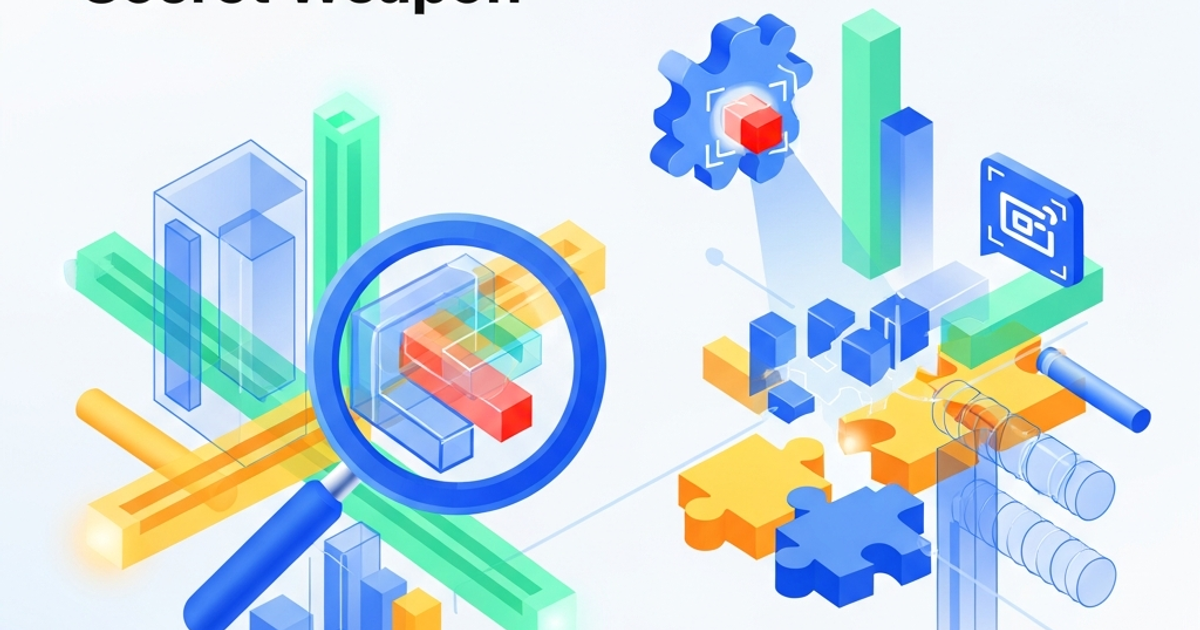
The magic of clash detection lies in its ability to compare different discipline models – think architectural, structural, mechanical, electrical, and plumbing (MEP) – and flag any overlaps or conflicts. Imagine your architect has designed a beautiful ceiling, but your mechanical engineer has specified a large air duct that needs to run right through it. Without clash detection, this might not surface until the drywall is being installed, leading to costly revisions and delays. With BIM and clash detection, this conflict can be identified during the design phase, allowing the teams to collaborate and find an alternative solution quickly. It’s about moving from a reactive approach (fixing problems after they occur) to a proactive one (preventing problems from occurring).
I remember a project early in my BIM journey where a significant clash between a sprinkler system and load-bearing columns was identified just weeks before construction was set to begin. The manual coordination efforts to find this oversight would have been immense, and the cost to reroute the system on-site would have been substantial. Thanks to an integrated BIM model and regular clash detection reviews, the issue was resolved digitally with minimal disruption and cost. This experience really hammered home the value of these advanced BIM workflows. It’s not just about creating pretty 3D models; it’s about intelligent data and rigorous checking.
The process typically involves exporting models from various design software (like Revit, ArchiCAD, etc.) into a dedicated clash detection application (Navisworks is a popular choice here, but others exist). Within this environment, you set up rules to check for specific types of clashes. These can range from hard clashes (where two objects occupy the same space) to more complex soft clashes (like clearances needed for maintenance access) or workflow clashes (where one task needs to be completed before another). The software then generates a report listing all identified clashes, often with screenshots and exact locations within the model. This report becomes the roadmap for your coordination meetings, where project teams gather to review, assign responsibility, and resolve each conflict. This iterative process of detection, review, and resolution is fundamental to successful clash detection and overall project success.
You Might Also Like
- Mastering BIM Data: Your Guide to Seamless Managementin Advanced BIM Workflows
- Slash Project Costs: The Power of Reducing Rework with BIMin Advanced BIM Workflows
- Mastering the BIM Coordination Process: Your Key to Project Successin Advanced BIM Workflows
Beyond Just Finding Conflicts: Enhancing Collaboration and Efficiency
But clash detection is more than just a bug hunt. It fosters a level of interdisciplinary collaboration that's often hard to achieve with traditional methods. When teams are forced to confront and solve spatial issues together in a virtual environment, communication improves dramatically. Architects, engineers, and contractors develop a shared understanding of the project's complexities and constraints. This shared understanding is invaluable, breaking down silos and promoting a 'one team' mentality.
Furthermore, the data generated through clash detection provides valuable insights for project planning and execution. By tracking the number and types of clashes over time, teams can identify recurring issues or problem areas within the design or coordination process. This information can then be used to refine design standards, improve modeling practices, or optimize construction sequencing. It's a continuous improvement loop powered by data.
Consider the benefits for scheduling and cost estimation. When you resolve clashes early, you eliminate the need for expensive rework on-site, reduce material waste, and avoid costly project delays. This predictability allows for more accurate scheduling and budgeting, giving stakeholders greater confidence in the project's viability. It shifts the focus from mitigating unforeseen problems to executing a well-planned and coordinated design.
I’ve seen firsthand how this process can save significant time and resources. On a recent large-scale commercial project, we implemented a rigorous clash detection workflow from day one. This involved weekly coordination meetings where the MEP and structural teams, in particular, worked through dozens of potential conflicts. By the time we reached the construction documentation phase, the number of significant clashes was drastically reduced. This meant fewer RFIs (Requests for Information), fewer change orders related to coordination, and a smoother path for the construction team on site. It wasn't magic; it was systematic application of BIM best practices.
Implementing a Successful Clash Detection Strategy
To truly harness the power of clash detection, a clear strategy is essential. It's not enough to just run a check once and forget about it. Here are a few key elements for success:
- Model Quality and Standards: The effectiveness of clash detection relies heavily on the quality of the input models. Establishing clear modeling standards for each discipline ensures that elements are modeled correctly and consistently, making clashes easier to identify and interpret. This includes things like proper element naming, classification, and adherence to project-specific requirements.
- Defined Clash Rules: Don't try to catch everything at once. Work with your project team to define specific clash rules relevant to your project's phase and complexity. Prioritize critical clashes (e.g., structural vs. MEP) and gradually incorporate more detailed checks as the design progresses.
- Regular Coordination Meetings: Schedule regular, well-structured clash detection review meetings. Ensure all relevant stakeholders are present and empowered to make decisions. These meetings should be focused, efficient, and drive clear actions for resolving identified issues.
- Clear Workflow and Responsibility: Define who is responsible for running clash detection, who reviews the reports, and who is assigned to resolve each clash. A clear workflow prevents issues from falling through the cracks and ensures accountability.
- Utilize the Data: Don't just resolve clashes; learn from them. Track metrics, analyze trends, and use this information to improve future designs and modeling practices. This commitment to continuous improvement is where the real long-term value of BIM lies.
Ultimately, clash detection is a cornerstone of effective BIM implementation. It transforms complex projects from a series of potential landmines into a well-orchestrated process. By embracing this powerful workflow, you’re not just avoiding problems; you’re building better, faster, and more efficiently. It’s about smarter design, smoother construction, and a more predictable project outcome. So, let's stop reacting to issues and start proactively preventing them. Your project will thank you for it.
BIM Era Engineering Team
Expert insights and analysis to keep you informed and ahead of the curve.