Cloud BIM Collaboration: The Future of AEC Project Success
Remember the days of endless email chains, version control nightmares, and that sinking feeling when you realized you were working off an outdated drawing? If you’re in the Architecture, Engineering, and Construction (AEC) industry, you probably do. It felt like herding cats, trying to keep everyone on the same page, especially on complex projects. Thankfully, those days are becoming a distant memory thanks to the rise of cloud BIM collaboration platforms.
Building Information Modeling (BIM) itself has revolutionized how we design and build. It’s moved us from 2D lines on a screen to intelligent 3D models that contain a wealth of data. But the real magic happens when that model can be accessed, updated, and shared by everyone involved, no matter where they are. That’s where the cloud steps in, transforming BIM collaboration from a localized effort into a globally connected endeavor.
Breaking Down the Barriers: Why Cloud BIM is a Game Changer
Think about a typical large-scale construction project. You have architects in one city, structural engineers in another, MEP (Mechanical, Electrical, and Plumbing) consultants across the country, and the general contractor managing it all on-site. Traditionally, getting everyone’s input and ensuring consistency would involve massive file transfers, frequent meetings, and a high risk of errors due to miscommunication or outdated information. It was a recipe for delays and budget overruns.
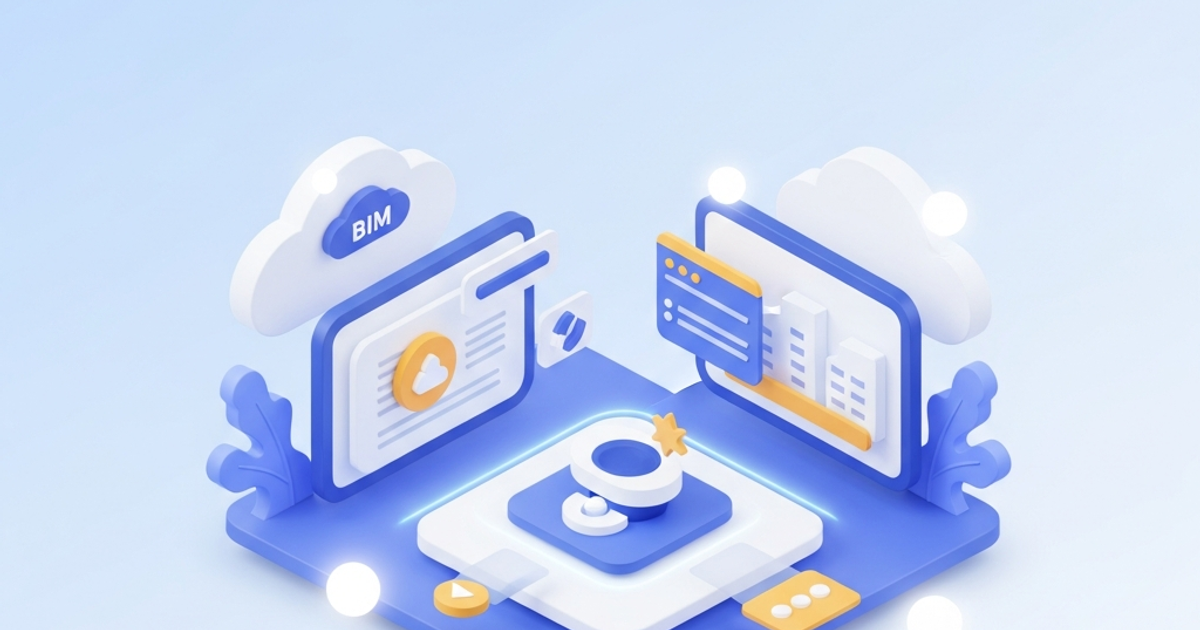
Cloud BIM collaboration platforms change this dynamic entirely. By hosting the project model and all related documents on a centralized, cloud-based server, they create a single source of truth. This means:
- Real-time Access: Anyone with the right permissions can access the latest version of the model from any device with an internet connection. No more downloading massive files or waiting for someone to share the correct link.
- Enhanced Communication: Most platforms have built-in communication tools, like issue tracking, markups, and chat functions, directly linked to the model elements. This context-specific communication dramatically reduces misunderstandings.
- Improved Version Control: Forget "_final_final_v3.dwg". Cloud platforms automatically track changes, allowing teams to see who did what and when, and to revert to previous versions if necessary. This level of transparency is invaluable.
- Streamlined Workflows: Tasks like design reviews, clash detection, and approval processes become significantly more efficient when everyone is working from the same, up-to-date information.
- Scalability and Flexibility: Whether you're a small boutique firm or a multinational corporation, cloud platforms can scale to meet your project needs. They also allow for flexible team structures, easily incorporating new consultants or subcontractors as the project evolves.
I remember working on a hospital expansion project a few years back. We had specialist consultants for medical gas systems joining late in the design phase. Instead of weeks of back-and-forth trying to get them up to speed and integrate their complex systems, we simply granted them access to our cloud BIM environment. They could immediately see the existing conditions, understand the architectural intent, and integrate their models with minimal disruption. It saved us an estimated three weeks of coordination time and countless headaches.
You Might Also Like
- Virtual Construction: The Future of Building, Today!in Digital Construction
- Building Greener with BIM: Your Guide to Sustainable Constructionin Digital Construction
- BIM for Small Firms: Your Smart Path to Big Project Successin Digital Construction
Key Features to Look For in a Cloud BIM Collaboration Platform
Not all platforms are created equal. When you’re evaluating options for your next project, consider these essential features:
- Model Hosting and Management: This is the core functionality. How well does it handle large, complex models? Does it support various file formats (Revit, IFC, DWG, etc.)?
- Collaboration Tools: Look for robust features like issue tracking, commenting, markups, and communication logs. Can you tag specific model elements? Can you assign tasks?
- Version Control and Audit Trails: As mentioned, this is crucial. Ensure the platform provides clear history and rollback capabilities.
- Permissions and Access Control: You need to control who sees and modifies what. Granular control over user roles and permissions is essential for security and project integrity.
- Interoperability: How well does the platform integrate with your existing design software (Revit, ArchiCAD, Navisworks, etc.)? Seamless data exchange is key.
- Clash Detection: Does the platform offer built-in clash detection, or does it integrate smoothly with dedicated tools? Early clash detection prevents costly rework during construction.
- Mobile Accessibility: The ability for field teams to access models and issue reports from tablets or smartphones can significantly improve on-site coordination and problem-solving.
- Security: Data security is paramount. Understand the platform’s security protocols, data encryption, and compliance standards.
Choosing the right platform is a strategic decision. It’s not just about buying software; it’s about adopting a new way of working that fosters transparency, efficiency, and ultimately, project success. The initial investment in training and implementation pays dividends throughout the project lifecycle, from initial design concepts to final handover and facility management.
The Ripple Effect: Beyond Design and Construction
The benefits of using cloud BIM collaboration platforms extend far beyond the design and construction phases. As projects move into operation, the central BIM model, maintained and updated through the cloud, becomes an invaluable asset for facility management. Asset information, maintenance schedules, and operational data can be linked directly to model elements. This means the building owner or operator has a live, intelligent digital twin of their facility, making maintenance, upgrades, and space management far more efficient. This continuous data flow ensures that the BIM model remains a living document, providing value throughout the entire asset lifecycle.
Embracing cloud-based workflows isn't just about staying current with technology; it's about fundamentally improving how we deliver projects. It fosters a more collaborative environment, reduces risk, enhances quality, and ultimately leads to better outcomes for everyone involved. If you haven't yet explored the power of cloud BIM collaboration platforms, now is the time to dive in. Your projects – and your sanity – will thank you.
BIM Era Engineering Team
Expert insights and analysis to keep you informed and ahead of the curve.